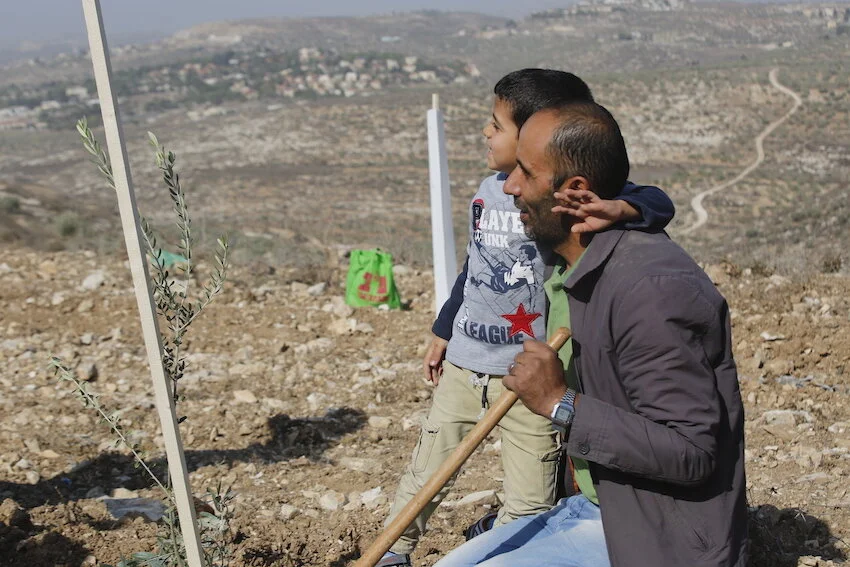
The Palestinian Olive Tree: A Symbol of Enduring Peace, Hope, and Resistance
In the sun-drenched landscapes of Palestine, amidst ancient hills and fertile valleys, stands a silent sentinel that has witnessed centuries of history: the olive tree. Far more than just an agricultural crop, the Palestinian olive tree is a profound symbol deeply woven into the fabric of Palestinian identity, heritage, and unwavering resilience. It embodies a legacy of peace, the enduring hope for a just future, and a quiet, persistent resistance against adversity. Understanding its significance is key to grasping the heart of the Palestinian connection to their land.
A Living Testament to Palestinian Heritage and Resilience
The connection between Palestinians and the olive tree is biological, cultural, and spiritual. These magnificent trees, often hundreds of years old, are not merely flora; they are beloved members of families, passed down through generations. Across Palestine, an estimated seven million olive trees stand testament to this ancient bond, with some, like the revered Al-Badawi tree in Al-Walaja, boasting an incredible age of 4,500 years. This longevity alone makes them living archives of history, linking past, present, and future.
For Palestinians, the olive tree represents:
- Peace: Universally recognized as a symbol of peace, the olive branch has a special resonance in a land yearning for tranquility.
- Hope: Its ability to thrive in challenging conditions and produce abundant fruit year after year offers a powerful metaphor for hope in the face of hardship.
- Wisdom: Its ancient roots and long lifespan evoke wisdom and enduring strength.
- Prosperity: The olive harvest is a crucial economic lifeline, providing sustenance and income for countless families. Olive oil, olives, and related products are staples of the Palestinian diet and economy.
- Connection to Land: Tending to olive groves is an act of rootedness, a tangible affirmation of presence and ownership of the land for generations.
The annual olive harvest is a communal event, bringing families and villages together, strengthening social bonds, and reinforcing cultural traditions. It's a time of hard work, celebration, and deep connection to the earth, a rhythm of life that has persisted for millennia.
The Olive Tree Under Threat: A Battle for Land and Livelihood
Despite their profound significance, Palestinian olive trees face an ongoing and existential threat. Since 2001 alone, approximately one million Palestinian olive trees have been destroyed, a staggering loss that continues to this day. This systematic destruction is not random; it is often a direct consequence of land confiscation, settlement expansion, and infrastructure development designed to connect these settlements.
The methods of destruction are varied and devastating:
- Uprooting for Infrastructure: Trees are cleared for the construction of separation walls, the expansion of Israeli settlements, and the building of bypass roads that link these settlements, often isolating Palestinian communities.
- Buffer Zones and Military Orders: Land is declared closed military zones or buffer zones along walls and settlements, preventing farmers from accessing and cultivating their land.
- Exploitation of Obsolete Laws: A particularly insidious method involves the reinterpretation of old Ottoman land laws. If land is left uncultivated for three consecutive years – often due to access restrictions imposed by Israeli authorities – it can be declared "State Land" and subsequently confiscated. This effectively weaponizes the challenges faced by Palestinian farmers to dispossess them of their ancestral lands.
The consequences of these actions are catastrophic, extending far beyond the loss of individual trees. The destruction of olive groves directly undermines the livelihoods of thousands of Palestinian families, exacerbates food insecurity, and erodes a vital part of their cultural heritage and economic independence. It's an attack on their present and their future, aiming to sever their deep-seated connection to the land.
"Plant Een Olijfboom": Cultivating Hope and Justice Through Action
In the face of these immense challenges, organizations like "Plant Een Olijfboom" (meaning "Plant an Olive Tree" in Dutch) stand as beacons of hope and practical solidarity. This Dutch non-profit organization is dedicated to supporting the non-violent resistance of Palestinian farmers against land confiscation. Their mission is clear: to facilitate and stimulate meaningful action towards a just peace, ensuring equality for all citizens, including the right of return for Palestinian refugees.
The core of "Plant Een Olijfboom"'s strategy revolves around the symbolic and practical act of planting sponsored olive trees. By helping farmers *plant een olijfboom* on their private land, the organization achieves several critical objectives:
- Active Land Use: Planting trees demonstrates active cultivation, thereby countering the legal pretext used for confiscation under the Ottoman land law. It is arguably the most effective way for farmers, constrained by numerous restrictions, to protect their land.
- Visibility and Awareness: The act of planting, often accompanied by international volunteers and media attention, brings transparency to otherwise silent land confiscations. It shines a light on the human rights abuses occurring on the ground.
- Economic Support: Each newly planted tree represents a future source of income and sustenance for the farmer and their family, bolstering their economic resilience.
- Solidarity and Empowerment: The support provided by "Plant Een Olijfboom" sends a powerful message of solidarity to Palestinian farmers, empowering them in their struggle and reminding them they are not alone.
Beyond tree planting, "Plant Een Olijfboom" also offers aid where necessary through its Palestine Fund and works diligently to raise awareness in the Netherlands about the situation in Palestine. They encourage educational travel, allowing people to witness the situation firsthand and directly assist farmers.
Combating Land Confiscation: Plant een Olijfboom's Mission for Justice is a testament to their unwavering commitment.
Composed of a diverse group of volunteers, board members, and coordinators from various backgrounds, "Plant Een Olijfboom" is united by a shared commitment to human rights, justice, and equality. They collaborate closely with local Palestinian organizations and journalists, ensuring their efforts are impactful and locally informed. To learn more about how their actions protect vital agricultural resources, consider reading
How Planting Olive Trees Protects Palestinian Land & Livelihoods.
How You Can Support This Vital Cause
The struggle to protect Palestinian olive trees and the livelihoods they represent is an ongoing one, but it is not without hope. Individuals around the world can play a significant role in supporting these efforts. If you are moved by the plight of Palestinian farmers and their deeply rooted connection to the olive tree, here's how you can make a difference:
- Sponsor an Olive Tree: The most direct way to contribute is to *plant een olijfboom* through organizations like "Plant Een Olijfboom". Your contribution helps secure a farmer's land and future.
- Spread Awareness: Educate yourself and others about the situation. Share information, articles, and stories on social media to amplify the voices of those affected.
- Support Palestinian Products: Look for and purchase Palestinian olive oil, za'atar, and other goods. This provides direct economic support to communities and farmers.
- Consider Educational Travel: If possible, consider visiting Palestine to see the situation firsthand. This not only offers a unique cultural experience but also provides direct support to the local economy and allows for meaningful interactions with communities.
- Advocate for Justice: Support human rights organizations working for a just resolution to the conflict and advocate for policies that uphold international law and protect human rights.
Conclusion
The Palestinian olive tree stands as a powerful, living symbol – a testament to peace, a beacon of hope, and a silent, yet formidable, act of resistance. Its roots delve deep into the earth, mirroring the deep-seated connection of the Palestinian people to their homeland. When we *plant een olijfboom*, whether metaphorically through advocacy or literally through sponsorship, we are not just nurturing a tree; we are investing in a future where justice prevails, where human rights are respected, and where the ancient rhythms of life can continue uninterrupted. Supporting this vital cause is an act of global solidarity, nurturing hope and defending the rights of those who tirelessly tend to these sacred trees, ensuring that their deep roots continue to nourish both land and spirit for generations to come.