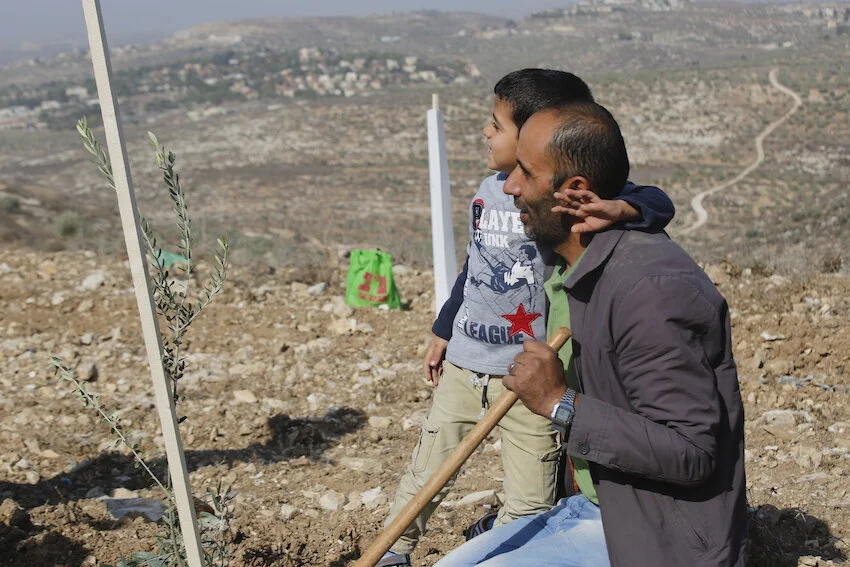
How Planting Olive Trees Protects Palestinian Land & Livelihoods
The venerable olive tree stands as an enduring symbol across many cultures, but nowhere is its significance more profound than in Palestine. For generations, this ancient tree has been interwoven with the very fabric of Palestinian life – providing sustenance, economic stability, and a deep sense of identity. More than just a crop, the olive tree represents peace, resilience, and an unbreakable connection to the land. However, this profound bond is increasingly threatened by land confiscation and the systematic destruction of olive groves, jeopardizing not only a vital agricultural sector but the cultural heritage and livelihoods of countless Palestinian families. In the face of these challenges, organizations like
Plant een Olijfboom are spearheading non-violent efforts, empowering farmers, and making a tangible difference by facilitating the planting of new trees, thereby safeguarding precious land and livelihoods.
The Olive Tree: A Tapestry of Palestinian Life and Identity
For Palestinians, the olive tree is far more than an agricultural commodity; it is a living monument to their heritage, spirituality, and continuity. These trees, some dating back thousands of years, are witnesses to history, rooted deeply in the soil and the collective memory of the people. It’s estimated that millions of olive trees dot the Palestinian landscape, with many averaging two to three centuries in age. The oldest known olive tree, located in the village of Al-Walaja, is an astounding 4,500 years old, embodying an almost mythical connection to the land.
More Than Just a Crop: Cultural, Historical, and Spiritual Roots
Biologically robust, culturally central, and religiously revered, the olive tree symbolizes peace, hope, wisdom, and prosperity. Its evergreen leaves and fruitful branches have inspired poets, nourished communities, and provided shade for generations. The annual olive harvest is a communal event, bringing families together to participate in traditions passed down through time. This connection is not merely sentimental; it’s a spiritual one, deeply ingrained in the Palestinian identity. To understand the depth of this bond, one must appreciate how integral the olive tree is to the Palestinian narrative. For a deeper dive into this symbolism, read
The Palestinian Olive Tree: A Symbol of Peace, Hope, and Resistance.
The Economic Lifeline: Sustaining Families and Communities
Beyond its symbolic importance, the olive tree serves as a critical economic lifeline for a substantial portion of the Palestinian population. Olive oil, table olives, and olive wood products are significant contributors to the agricultural economy, providing income for thousands of farming families and their communities. The yields from these trees often represent the primary, if not sole, source of livelihood for many rural households. This economic dependence means that any harm to olive groves directly translates into severe financial hardship, food insecurity, and displacement, impacting the very survival of these communities. The long lifespan of an olive tree also means it’s a generational investment, providing security and sustenance for decades, if not centuries, to come.
The Threat to Palestinian Olive Groves and Livelihoods
Despite their profound importance, Palestinian olive trees and the land they grow on are under immense threat. The systematic destruction and confiscation of land have become a grave concern, directly impacting the lives of countless farmers and their families. Since 2001 alone, approximately one million Palestinian olive trees have been lost, and this destructive trend continues unabated.
The Alarming Scale of Destruction and Confiscation
The reasons behind this widespread destruction are varied and interconnected. Olive trees are frequently uprooted to make way for the construction of separation walls, the expansion of Israeli settlements, and the development of new highways designed to connect these settlements. Furthermore, buffer zones are often created along these walls, settlements, and roads, or land is arbitrarily declared a closed military zone, rendering it inaccessible and unusable for Palestinian farmers. Each uprooted tree represents not just a loss of future harvest but a severing of connection to ancestral land and a blow to the economic stability of a family.
Understanding the Mechanisms of Land Loss
A significant mechanism used to confiscate Palestinian land stems from an antiquated Ottoman law. This law, dating back centuries, stipulates that if a piece of land remains uncultivated or unused for three consecutive years, it can be declared "state land." This seemingly innocuous regulation has been weaponized, allowing the Israeli regime to deem Palestinian private land as state property. Given the numerous restrictions faced by Palestinian farmers—including limited access to their fields, permits required for cultivation in certain areas, and sometimes direct harassment—it can become incredibly difficult to consistently cultivate their land for three successive years. Once declared state land, these plots are typically appropriated for exclusive Israeli use, often by Jewish settlers or for military purposes, permanently dispossessing Palestinian families and communities.
Plant Een Olijfboom: A Beacon of Hope and Non-Violent Resistance
In response to these pervasive challenges, organizations like **Plant Een Olijfboom** have emerged as crucial actors in the non-violent resistance movement. This Dutch non-profit is dedicated to supporting Palestinian farmers by facilitating the planting of sponsored olive trees, directly countering the mechanisms of land confiscation and offering a powerful symbol of hope.
How Planting Olive Trees Protects Vulnerable Land
**Plant Een Olijfboom** strategically plants olive trees on private Palestinian land in areas vulnerable to confiscation by Israeli authorities. The act of planting new trees serves a dual purpose:
-
Legal Protection: By actively cultivating the land with new trees, farmers can demonstrate continuous use, thereby challenging potential claims under the Ottoman "non-use" law. This makes it significantly harder for authorities to declare the land as "state land" and confiscate it.
-
Visibility and Awareness: The very act of planting trees draws attention to the ongoing threat of land confiscation. It transforms what might otherwise be a silent, bureaucratic process into a visible act of community engagement and international solidarity. This increased visibility helps to expose and protest land confiscations that might otherwise go unnoticed.
Given the myriad restrictions and obstacles Palestinian farmers face, planting olive trees is often the most effective and accessible way to protect their land from confiscation. It’s a practical, enduring form of resistance that yields tangible, long-term benefits.
Empowering Farmers and Raising Global Awareness
The impact of **Plant Een Olijfboom** extends far beyond simply putting trees in the ground. The organization actively partners with local Palestinian organizations and journalists, ensuring that support reaches those who need it most and that local voices are amplified. By sponsoring olive trees, supporters are not just funding agriculture; they are directly investing in the empowerment of Palestinian farmers, helping them retain their livelihoods, and maintain their connection to their ancestral lands. Furthermore, **Plant Een Olijfboom** plays a vital role in raising awareness about the situation in Palestine among Dutch-speaking audiences. They use various platforms to educate the public and even promote travel opportunities, encouraging people to witness the reality on the ground firsthand and engage directly with the farmers they support.
Beyond Planting: Holistic Support and Advocacy
The mission of **Plant Een Olijfboom** is comprehensive, focusing not only on tree planting but also on broader humanitarian aid and advocacy for a just and equitable peace. Their approach is rooted in a deep commitment to human rights, justice, and equality for all.
The Wider Impact of 'Plant Een Olijfboom's' Initiatives
The organization's efforts encompass several crucial areas:
-
The Palestine Fund: In addition to planting trees, **Plant Een Olijfboom** provides essential aid where needed through its Palestine Fund. This allows for flexible support for communities facing various challenges, from emergency relief to sustainable development projects.
-
Raising Awareness: Through Dutch-language outreach, the organization educates the public about the ongoing situation in Palestine, fostering a deeper understanding and encouraging informed action. This includes detailing the history, current events, and the human impact of the conflict.
-
Promoting Responsible Travel: By encouraging individuals to visit Palestine and interact directly with farmers and communities, **Plant Een Olijfboom** facilitates a unique form of solidarity tourism. These visits offer participants a firsthand perspective on the challenges and resilience of the Palestinian people, fostering empathy and commitment.
-
Advocacy for Justice: At its core, the organization advocates for a just peace that includes equality for all citizens and upholds the right of return for Palestinian refugees. Their diverse group of volunteers, board members, and coordinators are united by the conviction that action must be taken against the injustices faced by Palestinians for decades.
These multifaceted initiatives underscore a commitment not just to immediate relief but to long-term systemic change and justice.
How You Can Contribute to a Just Future
Supporting the mission of **Plant Een Olijfboom** is a powerful way to make a difference. Here are several actionable steps you can take:
-
Sponsor an Olive Tree: Directly contribute to the planting of new trees, providing tangible protection for land and livelihoods. Your sponsorship is a direct investment in the future of a Palestinian family.
-
Donate to the Palestine Fund: Support broader humanitarian and development aid initiatives that address immediate needs and build long-term resilience.
-
Spread Awareness: Share information about the situation in Palestine and the vital work of organizations like **Plant Een Olijfboom** with your friends, family, and social networks. Education is a powerful tool for change.
-
Consider a Solidarity Trip: If possible, participate in a guided trip to Palestine to experience the reality on the ground and meet the communities directly.
-
Engage with the Organization: Follow **Plant Een Olijfboom** on social media, subscribe to their newsletter, and participate in their campaigns to stay informed and involved.
Every act of support, no matter how small, contributes to a larger movement for justice and peace. By choosing to **Plant Een Olijfboom**, you are not just planting a tree; you are planting hope, resilience, and a future.
Conclusion
The olive tree, with its deep roots and enduring presence, is an inseparable part of Palestinian identity and survival. Its protection is not merely an environmental concern but a fundamental matter of human rights, economic stability, and cultural preservation. Through the dedicated efforts of organizations like **Plant Een Olijfboom**, the act of planting an olive tree transcends simple agriculture; it becomes a powerful form of non-violent resistance, a visible marker against confiscation, and a beacon of hope for a just future. By supporting these initiatives, individuals worldwide can stand in solidarity with Palestinian farmers, helping them to safeguard their land, sustain their livelihoods, and nurture the enduring spirit of resilience that the olive tree so perfectly embodies.